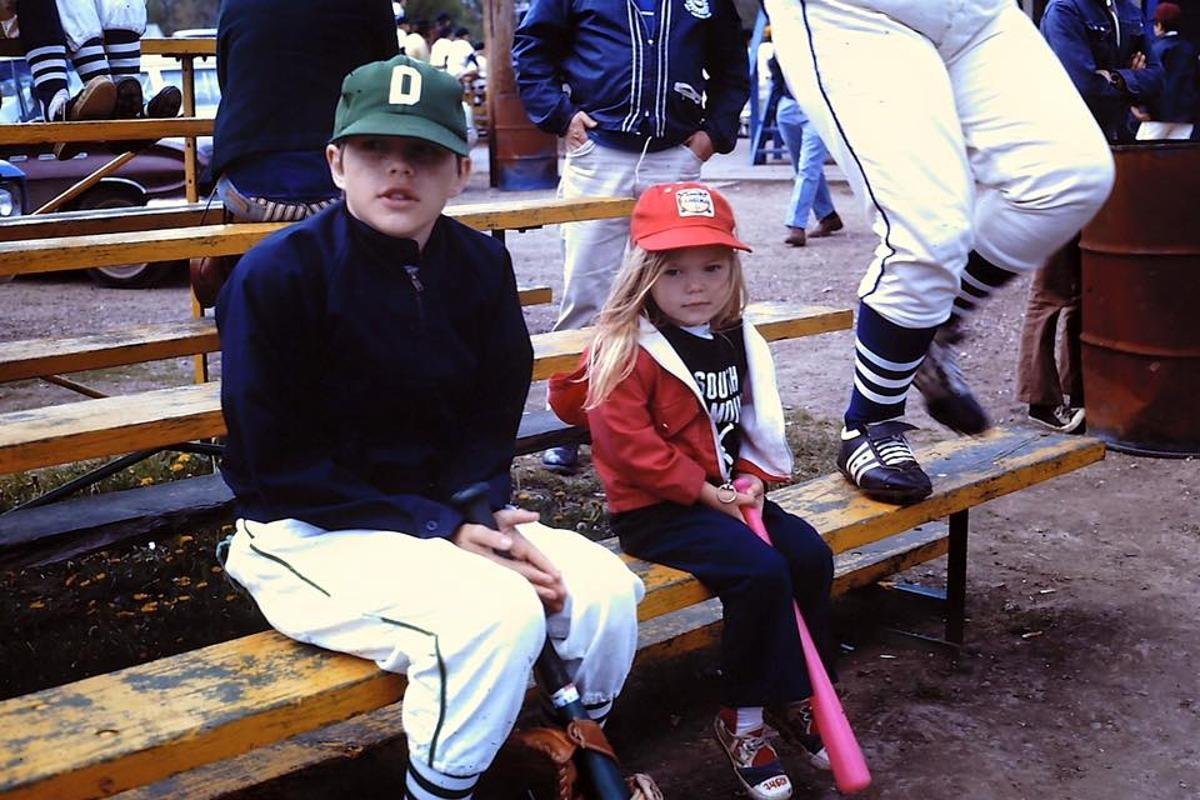
Played shortstop for last place Dodgers. Covered a lot of ground, fast on my feet, but relatively weak with the stick
About Tim
I didn’t set out to become a baseball historian.
I just got tired of hearing the same stories.
Most people talk about baseball’s golden age like it began with Ruth and ended with Mantle. But the real chaos—the juicy stuff—happened earlier. Leagues formed and collapsed. Owners schemed. Players jumped contracts and disappeared in the night. And the future of America’s pastime swung on a crooked hinge.
That’s the part that pulled me in.
“I write for readers like me—people who love a good story, appreciate the truth in the details, and want to know not just what happened, but why it mattered.”
I came to this a little sideways. I spent most of my life as a patent attorney—studying invention, precision, leverage. Turns out those are the same forces that shaped early baseball.
I grew up in the Midwest, went to Drake University, and learned how to argue cases and write persuasive copy. But history always had its hooks in me.
So I started reading. Then researching. Then writing. And eventually I had a book: 1901: The War of the Baseball Magnates. It wasn’t supposed to be anything more than a passion project. Then it got nominated for the Larry Ritter Award for the best baseball book about the Deadball Era. And that’s when I knew.
Baseball stories matter.
Mine came on May 13, 1973. Bottom of the fourth, we were about to lose by the ten-run rule, one out away from packing up early.
Then I hit a solo home run—my only one ever.
It didn’t change the outcome. We still lost. But it gave us one more inning. One more chance to stand at the plate, take the field, finish the game.
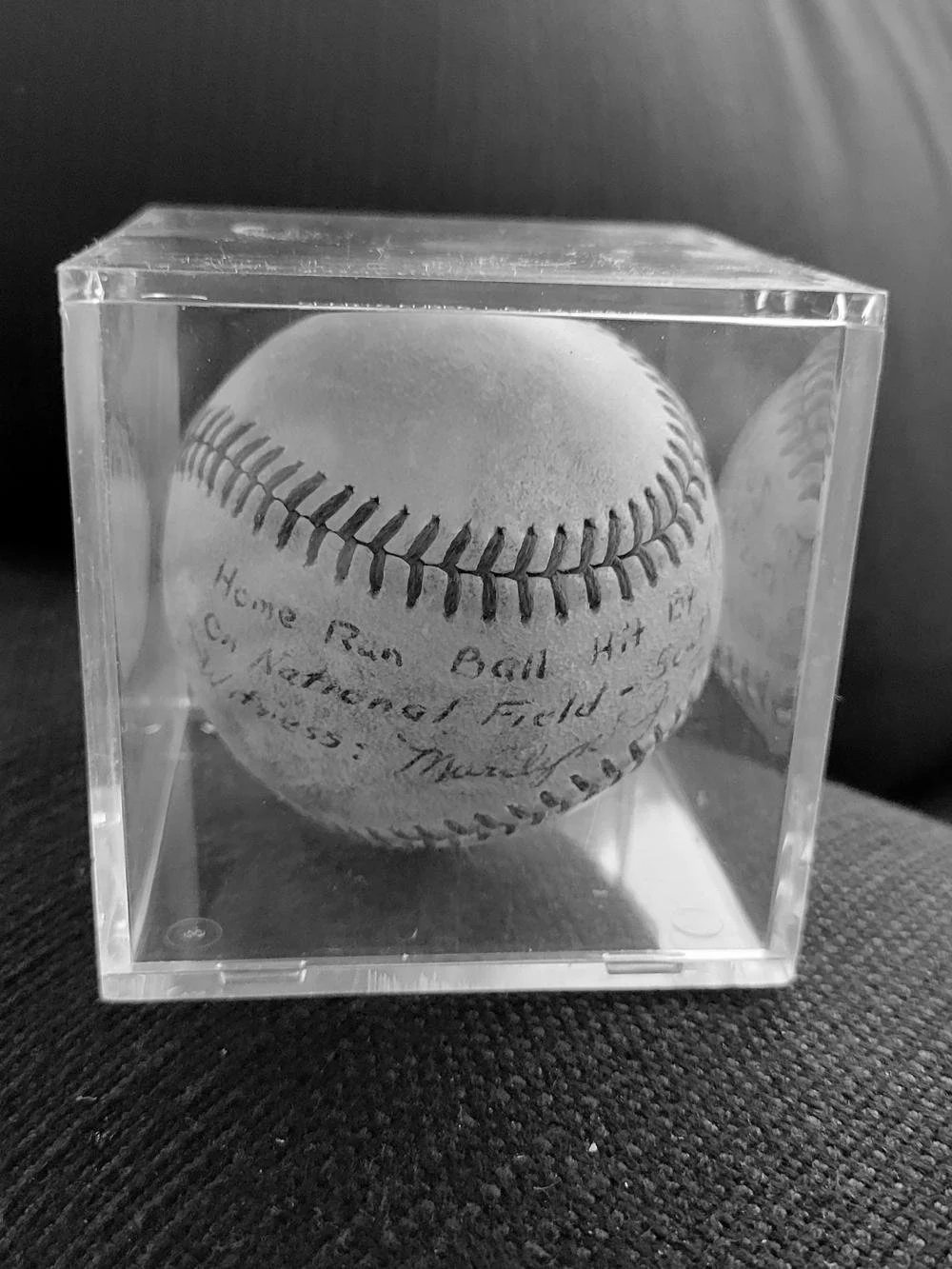
My dad knew it mattered. He wrote the date and field on the ball—and had my mom sign it as a witness.
I still have it. Fifty years later, it still means something.