The Fight Over Topsy Hartsel
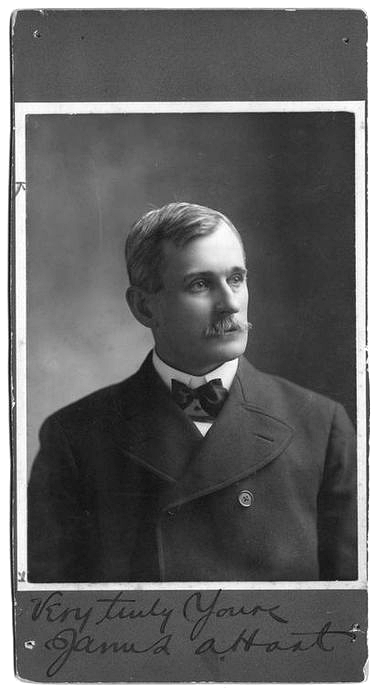
James Hart, president of the 1901 Chicago Orphans
In October of 1900, a storm was brewing over a player most fans hadn’t even heard of: a 24-year-old outfielder named Topsy Hartsel. At the time, Hartsel was a fringe prospect—he’d bounced through a few games in Indianapolis before landing in Cincinnati late that season, where he quietly hit .328 and stole seven bases in just a handful of games. Modest, sure. But enough to get noticed.
That’s when the tug-of-war began.
James Hart, president of the Chicago Nationals, believed Hartsel belonged to him. Months earlier, Hart had struck a deal with the upstart American League: in exchange for allowing Charles Comiskey’s White Stockings to enter Chicago territory, Hart was promised his pick of two American League players for every year Comiskey stuck around.
Now it was time to cash in. Hart chose Hartsel.
Except there was one problem. John T. Brush, president of the Cincinnati Reds, said Hartsel was already his. Brush pointed to a contract dated weeks before Hart’s selection—one made by W.H. Watkins of the Indianapolis club, who had quietly transferred Hartsel to Cincinnati.
The deal exploded into a multi-club mess.
Hart filed a grievance with the National Board of the National League, vowing to honor their ruling—but not without conditions. If he lost, he threatened to seek damages against Indianapolis for double-dealing. And if he didn’t get Hartsel? He’d hold the entire American League responsible.
Behind the scenes, Brush and Hart saw the writing on the wall. The American League was gaining steam. Expansion was coming. A public battle would only weaken both clubs. So they struck a truce. Hartsel would go to Chicago.
The move paid off. For the Orphans, Hartsel had a breakout year: .335 batting average, 111 runs scored, 54 stolen bases. But the peace wouldn’t last. By the next season, Hartsel had jumped again—this time to the American League, where he joined Connie Mack and the Athletics.
So who really owned Topsy Hartsel? That depends on how you define ownership. In 1900, contracts were just as slippery as loyalty. And players like Hartsel were caught in the middle of a war for the soul of the game.